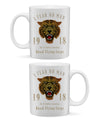
Fear the Bones - Hoodie
£45.00
'Fear the Bones'
This Tshirt celebrates the famous US Navy Strike Fighter Squadron, the VFA 103, otherwise known as the 'Jolly Rogers'. VF103 was formed in 1953, equipped with the FG1D Corsair, then F4B Phantoms, F-14 Tomcats in the early 80s and now operates the FA-18F Super Hornet. The design is Flyingraphics's interpretation of the well known skull and crossbones insignia and the motif 'Fear the Bones'.
Fear the Bones - Sweat Shirt
£39.00
'Fear the Bones'
This Tshirt celebrates the famous US Navy Strike Fighter Squadron, the VFA 103, otherwise known as the 'Jolly Rogers'. VF103 was formed in 1953, equipped with the FG1D Corsair, then F4B Phantoms, F-14 Tomcats in the early 80s and now operates the FA-18F Super Hornet. The design is Flyingraphics's interpretation of the well known skull and crossbones insignia and the motif 'Fear the Bones'.
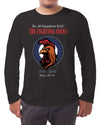
Fighting Cocks - Long-sleeve T-shirt
£27.00
No.43 Squadron RAF 'The Fighting Cocks'
No.43 Squadron was formed in Stirling, Scotland, in 1916 as part of the Royal Flying Corps. During the Great War the squadron operated Sopwith Strutters, Camels and Snipes. In 1926 the squadron flew the Gloster Gamecock earning its nickname 'The Fighting Cocks'. Siskins and Hawker Fury's were the squadrons aircraft leading up to World War 2. Hurricanes and Spitfires followed prior to the jet age which saw the Gloster Meteor entering service. Hawker Hunters followed, then the Phantom, finishing off with the F.3 Tornado as the squadron disbanded in 2009. This design has been given a deliberate aged and 'weathered' appearance
GREAT
GIFT IDEA
GIFT IDEA
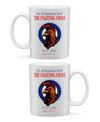
Fighting Cocks - Mug
£11.00
No.43 Squadron RAF 'The Fighting Cocks'
No.43 Squadron was formed in Stirling, Scotland, in 1916 as part of the Royal Flying Corps. During the Great War the squadron operated Sopwith Strutters, Camels and Snipes. In 1926 the squadron flew the Gloster Gamecock earning its nickname 'The Fighting Cocks'. Siskins and Hawker Fury's were the squadrons aircraft leading up to World War 2. Hurricanes and Spitfires followed prior to the jet age which saw the Gloster Meteor entering service. Hawker Hunters followed, then the Phantom, finishing off with the F.3 Tornado as the squadron disbanded in 2009.
Fighting Cocks - Sweat Shirt
£39.00
No.43 Squadron RAF 'The Fighting Cocks'
No.43 Squadron was formed in Stirling, Scotland, in 1916 as part of the Royal Flying Corps. During the Great War the squadron operated Sopwith Strutters, Camels and Snipes. In 1926 the squadron flew the Gloster Gamecock earning its nickname 'The Fighting Cocks'. Siskins and Hawker Fury's were the squadrons aircraft leading up to World War 2. Hurricanes and Spitfires followed prior to the jet age which saw the Gloster Meteor entering service. Hawker Hunters followed, then the Phantom, finishing off with the F.3 Tornado as the squadron disbanded in 2009. This design has been given a deliberate aged and 'weathered' appearance.
Flying Tigers - Hoodie
£45.00
The First American Volunteer Group (AVG)
The volunteer group joined the Republic of China Air Force in 1941 to help defend China from the invasion of Japan. Under the command of Claire Lee Chennault the group operated the Curtiss P-40B Warhawk with Chinese Air Force markings. The earliest combat action was seen at the defence of Rangoon in December 1941. This design has been given a deliberate aged and 'weathered' appearance.
Flying Tigers - Long-sleeve T-shirt
£27.00
The First American Volunteer Group (AVG)
The volunteer group joined the Republic of China Air Force in 1941 to help defend China from the invasion of Japan. Under the command of Claire Lee Chennault the group operated the Curtiss P-40B Warhawk with Chinese Air Force markings. The earliest combat action was seen at the defence of Rangoon in December 1941. This design has been given a deliberate aged and 'weathered' appearance.
Flying Tigers- Sweat Shirt
£39.00
The First American Volunteer Group (AVG)
The volunteer group joined the Republic of China Air Force in 1941 to help defend China from the invasion of Japan. Under the command of Claire Lee Chennault the group operated the Curtiss P-40B Warhawk with Chinese Air Force markings. The earliest combat action was seen at the defence of Rangoon in December 1941. This design has been given a deliberate aged and 'weathered' appearance.
La Fayette Escadrille - Hoodie
£45.00
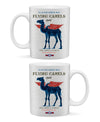
La Fayette Escadrille
The La Fayette Escadrille N124 was formed in 1916 during the First World War. Part of the Aéronautique Militaire, the Squadron was made up mostly of American volunteer pilots, the name coming from the Marquis de Lafayette. The Escadrille adopted the bust of Chief Sitting Bull as its emblem. Famous pilots from the First War include Kiffin Rockwell, Victor Chapman and Norman Prince. This design has been given a deliberate aged and 'weathered' appearance.
La Fayette Escadrille - Sweat Shirt
£39.00
La Fayette Escadrille
The La Fayette Escadrille N124 was formed in 1916 during the First World War. Part of the Aéronautique Militaire, the Squadron was made up mostly of American volunteer pilots, the name coming from the Marquis de Lafayette. The Escadrille adopted the bust of Chief Sitting Bull as its emblem. Famous pilots from the First War include Kiffin Rockwell, Victor Chapman and Norman Prince. This design has been given a deliberate aged and 'weathered' appearance.
No.11 SQN - Hoodie
£45.00
XI Squadron
Formed by the Royal Flying Corps, XI Squadron was the first fighter unit. Starting with the Vickers Gunbus at Netheravon, the squadron progressed to Bristol Fighters towards the end of the First War. Aircraft used between the wars include Westland Wapitis and Hawker Harts. At the outbreak of WW2 the squadron deployed to Singapore, armed with the Blenheim. The jet age added the Vampire, Venom and Javelin to the squadron's inventory. The Lightning and Tornado F3 followed with the Typhoon now currently operated by XI Squadron. This design has been given a deliberate aged and 'weathered' appearance.
No.11 SQN - T-shirt
£24.00
XI Squadron
Formed by the Royal Flying Corps, XI Squadron was the first fighter unit. Starting with the Vickers Gunbus at Netheravon, the squadron progressed to Bristol Fighters towards the end of the First War. Aircraft used between the wars include Westland Wapitis and Hawker Harts. At the outbreak of WW2 the squadron deployed to Singapore, armed with the Blenheim. The jet age added the Vampire, Venom and Javelin to the squadron's inventory. The Lightning and Tornado F3 followed with the Typhoon now currently operated by XI Squadron. This design has been given a deliberate aged and 'weathered' appearance.
No.11 SQN front & back - T-shirt
£27.00
XI Squadron - Squadron roundel on front, emblem on rear of shirt
Formed by the Royal Flying Corps, XI Squadron was the first fighter unit. Starting with the Vickers Gunbus at Netheravon, the squadron progressed to Bristol Fighters towards the end of the First War. Aircraft used between the wars include Westland Wapitis and Hawker Harts. At the outbreak of WW2 the squadron deployed to Singapore, armed with the Blenheim. The jet age added the Vampire, Venom and Javelin to the squadron's inventory. The Lightning and Tornado F3 followed with the Typhoon now currently operated by XI Squadron. This design has been given a deliberate aged and 'weathered' appearance.
No.23 SQN - Hoodie
£45.00
23 Squadron
Formed by the Royal Flying Corps in 1915 at Gosport, it first operated the B.E.2C as a night fighter to intercept Zeppelins. Towards the end of World War I the squadron converted to Sopwith Dolphins, but was disbanded in 1919. 1925 the squadron reformed at RAF Henlow with the Snipe, then the Gloster Gamecock. During the second world war it operated the Blenheim, Havoc then Mosquito with many battle honours. Post-war types included the Vampire, Venom and Javelin. The Cold war saw the use of the Lightning, Phantom and Tornado F3. In 2019 it was announced that 23 squadron will reform as a 'Space Squadron'. This design has been given a deliberate aged and 'weathered' appearance.
No.23 SQN - T-shirt
£24.00
23 Squadron
Formed by the Royal Flying Corps in 1915 at Gosport, it first operated the B.E.2C as a night fighter to intercept Zeppelins. Towards the end of World War I the squadron converted to Sopwith Dolphins, but was disbanded in 1919. 1925 the squadron reformed at RAF Henlow with the Snipe, then the Gloster Gamecock. During the second world war it operated the Blenheim, Havoc then Mosquito with many battle honours. Post-war types included the Vampire, Venom and Javelin. The Cold war saw the use of the Lightning, Phantom and Tornado F3. In 2019 it was announced that 23 squadron will reform as a 'Space Squadron'. This design has been given a deliberate aged and 'weathered' appearance.
ONLY AVAILABLE
WITH FLYINGRAPHICS
WITH FLYINGRAPHICS
No.45 SQN Flying Camels - Hoodie
£45.00
No.45 Squadron - The Flying Camels
Formed in 1916, as part of the Royal Flying Corps, the squadron started service life equipped with Sopwith Strutters. Between the wars No. 45 flew Vickers Vernon bomber - transports mainly in the Middle East, tasked with ground support and mail services. Through the years the squadron participated in the North African campaign of WWII, the Malayan Emergency, Indonesia and as a shadow squadron during the cold war. From the early 90s onwards 45 Squadron became a multi-engined unit, now operating Embraer Phenom T1s. This design has been given a deliberate aged and 'weathered' appearance.
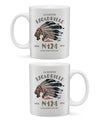
No.45 SQN Flying Camels - Mug
£11.00
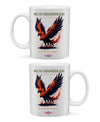
No.45 Squadron - The Flying Camels
Formed in 1916, as part of the Royal Flying Corps, the squadron started service life equipped with Sopwith Strutters. Between the wars No. 45 flew Vickers Vernon bomber - transports mainly in the Middle East, tasked with ground support and mail services. Through the years the squadron participated in the North African campaign of WWII, the Malayan Emergency, Indonesia and as a shadow squadron during the cold war. From the early 90s onwards 45 Squadron became a multi-engined unit, now operating Embraer Phenom T1s.
No.45 SQN Flying Camels - T-shirt
£24.00
No.45 Squadron - The Flying Camels
Formed in 1916, as part of the Royal Flying Corps, the squadron started service life equipped with Sopwith Strutters. Between the wars No. 45 flew Vickers Vernon bomber - transports mainly in the Middle East, tasked with ground support and mail services. Through the years the squadron participated in the North African campaign of WWII, the Malayan Emergency, Indonesia and as a shadow squadron during the cold war. From the early 90s onwards 45 Squadron became a multi-engined unit, now operating Embraer Phenom T1s. This design has been given a deliberate aged and 'weathered' appearance.